School Lunch Program Eligibility and Application Steps for Free or Reduced Meals
Check school lunch program eligibility and apply for free or reduced meals. Step-by-step guide with income limits and required documents.
Anúncios
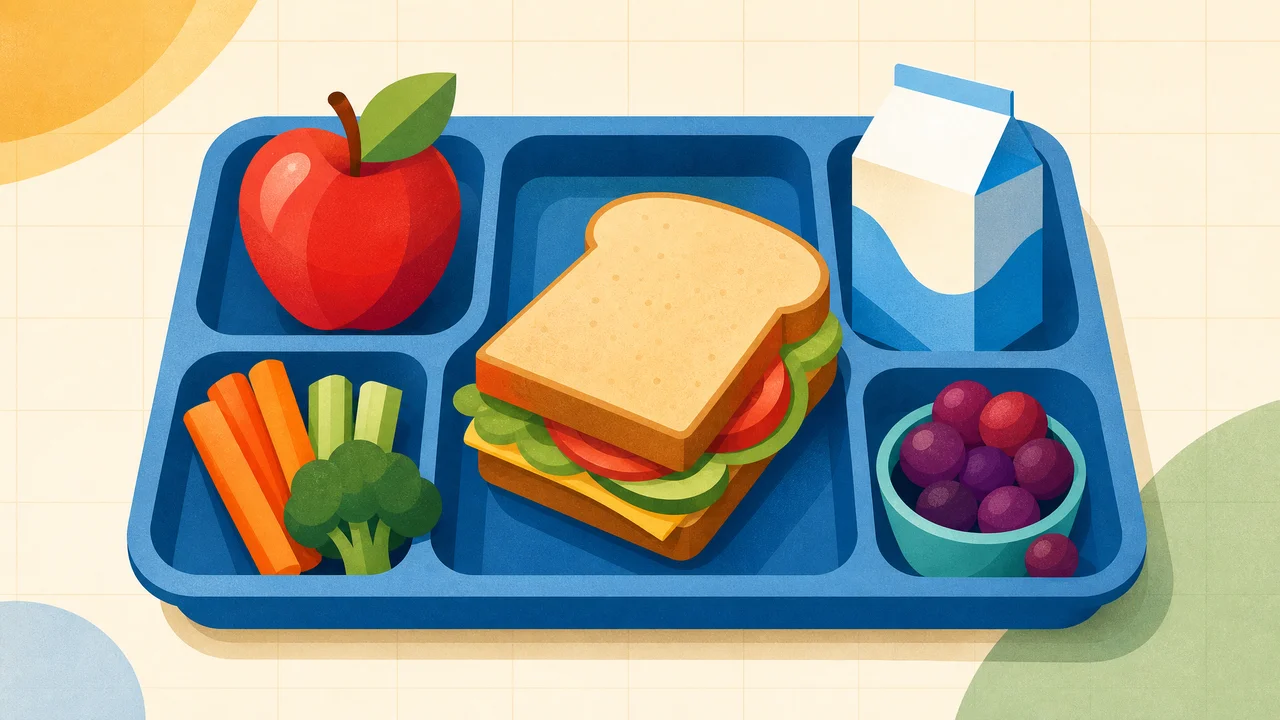
How the National School Lunch Program Works
The program operates in over 100,000 schools providing nutritionally balanced lunches at free or reduced prices based on household income. Schools receive federal subsidies and USDA commodity foods for each meal served.
Anúncios
Meals must meet federal nutrition requirements covering grains, proteins, fruits, vegetables, and milk. The program serves over 30 million children daily making it the second largest food assistance program.
What Are the Current Income Eligibility Guidelines
Free meals require household income at or below 130 percent of the federal poverty level. Reduced-price meals serve households between 130 and 185 percent with charges capped at 40 cents per lunch.
Anúncios
- Family of 2: free lunch below $25,636; reduced below $36,482 annually
- Family of 3: free below $32,318; reduced below $46,010
- Family of 4: free below $39,000; reduced below $55,538
- Each additional member adds approximately $6,682 for free and $9,528 for reduced
Does Your Child Automatically Qualify
Children in SNAP, TANF, or FDPIR households qualify automatically through direct certification without a separate application. Foster children, homeless youth, migrant children, and runaway youth also qualify automatically.
Schools cross-reference assistance program data to identify eligible students. If directly certified you receive a notification letter and no action is needed.
How to Complete the Application Correctly
- List every person in your household regardless of meal participation
- Include all income sources for every household member
- Provide the last four digits of the signing adult's SSN
- Check the appropriate box for free or reduced meals
- Sign, date, and return before the stated deadline
Incomplete applications are the top cause of processing delays. Double-check every field before submitting. Schools must process completed forms within 10 operating days.
What Verification Documents May Be Required
Schools use self-declaration initially but may select applications for post-approval verification. If selected, provide pay stubs, tax returns, or benefit letters within the given timeframe.
About three percent of approved applications are verified annually. Schools notify you in writing with adequate time to gather documents.
Can You Apply Mid-Year
Applications are accepted year-round. Submit a new one anytime your financial situation changes due to job loss, reduced hours, or other circumstances for immediate consideration.
Many districts offer online portals for submission and status checking. Contact your school's office for the portal link or paper forms.
How the Community Eligibility Provision Works
Schools in high-poverty areas may provide free meals to all students under CEP regardless of individual income. About 35,000 schools operate under this provision requiring no applications from any family.
Check with your district whether your child's school participates. CEP eliminates the application burden entirely while ensuring every student receives nutritious meals.
What Nutrition Standards Apply
Federal regulations set calorie ranges by grade, sodium limits, whole grain requirements, and prohibit artificial trans fats. At least half of grains must be whole grain rich in all school meals.
Schools work with certified nutrition professionals to create menus meeting these standards while appealing to students. Menu information is typically available on school district websites.
What If Your Application Is Denied
Schools must provide written denial with the reason. The most common cause is income exceeding both thresholds. You have the right to appeal through a formal hearing process.
Contact the food service office to request a hearing within the notice timeframe. Present evidence of income changes or unreported expenses at the hearing.
Are Breakfast and Summer Programs Included
One approved application covers both breakfast and lunch through the same eligibility determination. Over 15 million children participate in school breakfast programs daily.
Summer programs provide free meals at schools, parks, and community centers for any child under 18 without applications. Use the USDA Summer Meals Site Finder for locations.
How Are Special Dietary Needs Handled
Schools accommodate documented medical dietary needs including allergies, diabetes, and celiac disease. Parents provide a physician's statement specifying restrictions and required substitutions.
Communicate with the school nutrition department each year to review your child's needs and ensure safe meal options are available throughout the school year.