Government Assistance Programs You Might Qualify for Right Now Without Knowing It
Government assistance programs you may qualify for now. Check eligibility based on income, age, household size, and employment status.
Anúncios
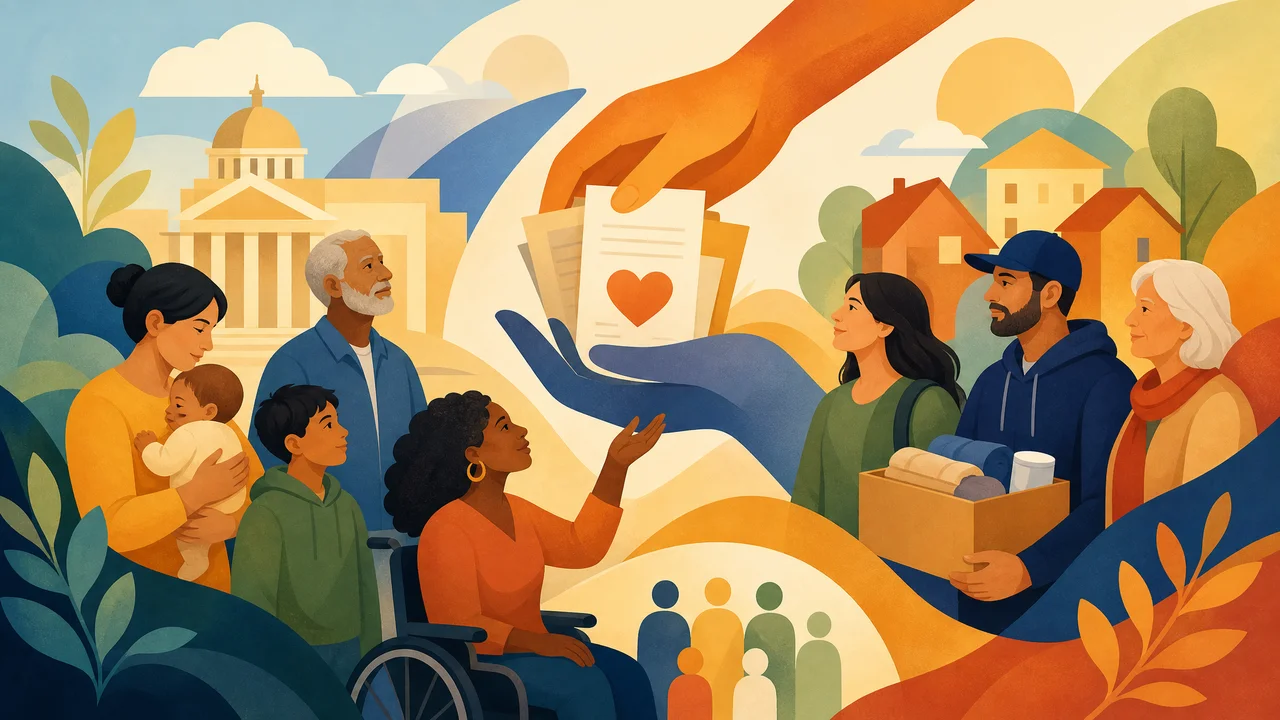
Why Millions of Eligible Americans Miss Available Benefits
Billions of dollars in government assistance go unclaimed each year because eligible people do not know the programs exist. Complex eligibility rules, scattered information across agencies, and stigma all contribute to this gap.
Anúncios
A single household may qualify for five to ten different programs simultaneously yet only receive one or two. Conducting a comprehensive eligibility check reveals assistance you may have been leaving on the table.
What Programs Have the Most Unclaimed Benefits
EITC, SNAP, LIHEAP, Medicare Savings Programs, and SSI consistently rank among the most underutilized programs. Each has billions in available funding that eligible Americans fail to claim annually.
Anúncios
- EITC: roughly 20 percent of eligible workers do not claim the credit
- SNAP: an estimated 18 percent of eligible individuals are not enrolled
- LIHEAP: millions of qualifying households never apply for energy assistance
- Medicare Savings: over half of eligible seniors are not enrolled
- SSI: approximately 43 percent of eligible elderly individuals do not receive it
How Does Your Income Determine What You Qualify For
Income-based programs use the federal poverty level as their benchmark. Your household income relative to the FPL determines eligibility for dozens of programs across food, housing, health, and energy assistance categories.
A family of four earning $50,000 might qualify for CHIP, EITC, LIHEAP, school meals, and childcare subsidies simultaneously. The key is checking each program since income thresholds vary.
What Age-Based Programs Might You Be Missing
Turning 55, 60, 62, and 65 each unlocks new program eligibility. Senior nutrition programs start at 60. Social Security eligibility begins at 62. Medicare and most senior discounts begin at 65.
Young adults under 26 can stay on parents' health insurance. Children under 19 qualify for CHIP. Age-specific benefits exist across the entire lifespan.
Which Programs Help Based on Family Status
Parents of minor children access expanded benefits including SNAP, CTC, childcare subsidies, CHIP, school meals, and WIC. Pregnant women qualify for Medicaid, WIC, and emergency food assistance.
Single parents often qualify at higher income thresholds due to household size calculations. Head of household filing status provides additional tax advantages.
What Employment-Related Programs Are Available
Job training programs through the Workforce Innovation and Opportunity Act provide free skills development, career counseling, and job placement. SNAP employment and training connects food assistance recipients with job opportunities.
Trade Adjustment Assistance helps workers displaced by international trade through extended unemployment, training benefits, and relocation allowances.
How to Check Your Eligibility for Everything at Once
BenefitsCheckUp and Benefits.gov screen you for hundreds of programs in a single session. State portals add locally funded options. Spending 15 minutes on a screening can reveal thousands in annual assistance.
- Visit benefitscheckup.org or benefits.gov for comprehensive screening
- Have income, household, and expense information ready for accurate results
- Review the full results list including programs you have never heard of
- Prioritize the highest-value programs and those with deadlines
- Apply systematically using shared documentation across programs
What If You Think You Earn Too Much to Qualify
Income limits are often higher than people assume. A family of four can qualify for some programs earning up to $60,000 or more annually. Tax credits like EITC reach into moderate income ranges.
Deductions for medical expenses, childcare, and shelter costs reduce your countable income below gross figures. Your net income after allowable deductions determines eligibility not your gross paycheck.
How Do Disability and Health Conditions Open Up Programs
Medical conditions qualifying as disabilities under Social Security rules unlock SSDI or SSI payments, Medicare or Medicaid coverage, housing priority, and vocational rehabilitation services.
Even conditions that do not qualify as disabilities may open access to prescription assistance, free clinic care, and state-funded treatment programs.
What Steps Should You Take Right Now
Complete an online benefits screening today. Apply for the programs where you appear eligible. Contact a benefits navigator at your local community action agency for personalized help.
The only cost is your time and the potential return is thousands of dollars annually in assistance you are entitled to receive. There is no downside to checking your eligibility.
How to Stay Updated as Programs Change
Program rules, income limits, and available funding change regularly. Rescreen every six months and after any major life change. Sign up for email alerts from your state benefits agency.
Follow trusted sources like your state Department of Human Services and the National Council on Aging for program updates and new benefit announcements.