Food Bank Resources Near You: Locations, Schedules, and What to Bring
Find food banks near you with locations, hours, distribution schedules, and what to bring. Get free groceries and emergency food assistance.
Anúncios
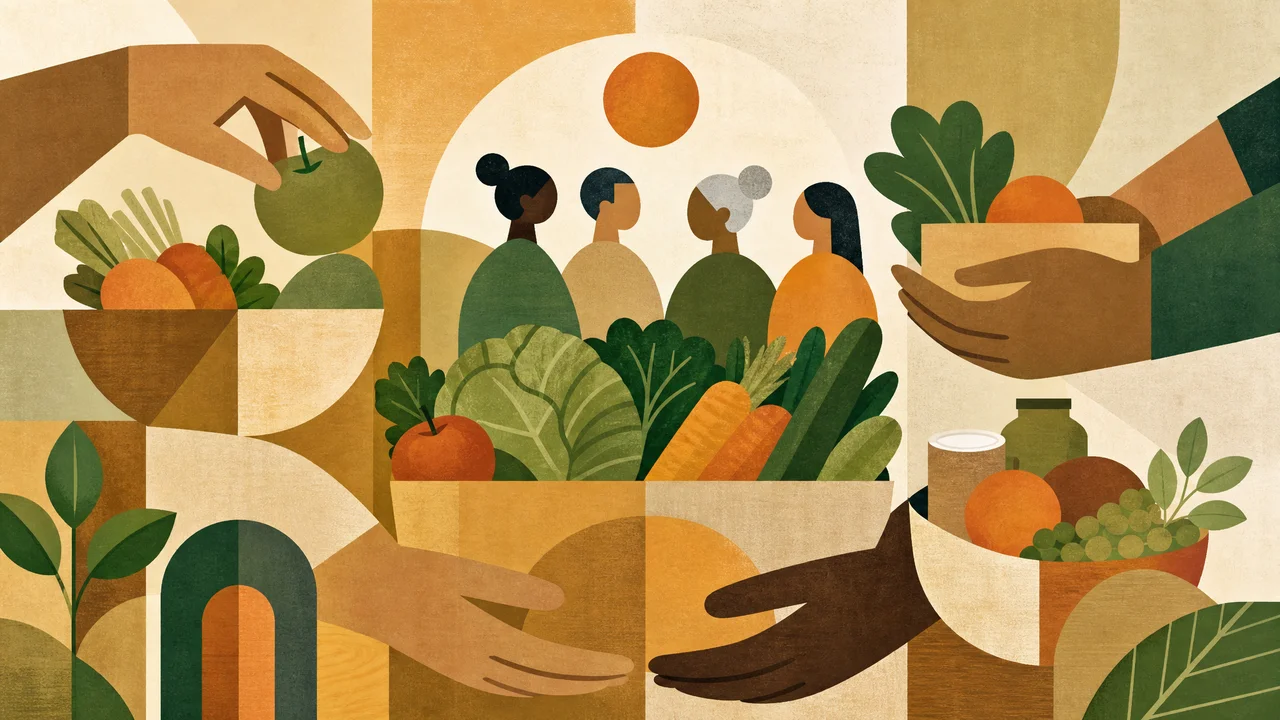
How Food Banks and Food Pantries Serve Communities
Food banks function as large warehouses collecting, storing, and distributing food to local pantries, soup kitchens, and shelters. Pantries are frontline distribution points where individuals and families pick up groceries directly.
Anúncios
The Feeding America network includes over 200 food banks and 60,000 pantries reaching every county. Together they distribute approximately 6.6 billion meals annually to people facing food insecurity.
How to Find Food Banks Near Your Location
The Feeding America locator at feedingamerica.org connects you with resources by zip code. The USDA food assistance locator and dialing 211 provide additional options including government commodity distribution sites.
Anúncios
Churches, community centers, and schools often operate pantries not listed in national databases. Check local bulletin boards, community newspapers, and social media for neighborhood-level food resources.
What Should You Expect at Your First Visit
Most pantries welcome you without judgment. You check in at registration, provide basic household information, and receive a pre-packed box or shop through a choice pantry selecting items yourself.
Client-choice pantries let you walk through selecting items matching your dietary needs and preferences. This reduces waste and ensures families receive items they actually use and enjoy.
What Documentation Do You Need to Bring
Requirements vary but most ask for proof of address and identification on your first visit. Some require income proof while others operate on self-declaration with no verification needed at all.
- Photo ID such as driver's license or state identification card
- Proof of address like a utility bill, lease, or mail envelope
- Some pantries accept a self-declaration of need with no documentation
- Returning visitors may only need their registration card or number
What Types of Food Are Typically Available
Food banks distribute shelf-stable items like canned vegetables, pasta, rice, and cereal alongside fresh produce, dairy, bread, meat, and frozen items. Availability depends on current donations and supply conditions.
Many pantries now stock culturally diverse food items reflecting the communities they serve. Holiday distribution events often include special items like turkeys, hams, and seasonal produce.
How Often Can You Visit a Food Bank
Frequency rules vary with most allowing weekly, biweekly, or monthly visits. Some track visits using registration while others are open-access sites without appointment or tracking requirements.
Visiting multiple pantries in your area supplements your food supply since most communities have several distribution points on different days and schedules.
Are There Special Programs for Specific Groups
Many food banks run targeted programs for seniors, veterans, children, and college students. Senior boxes through CSFP provide monthly packages of shelf-stable foods selected for older adults.
Backpack programs send weekend food packs home with children who rely on free school meals. Campus food pantries have expanded rapidly to serve students facing food insecurity at colleges and universities.
What If You Have Dietary Restrictions
Choice pantries accommodate dietary needs by letting you select suitable items. Inform intake volunteers about allergies, diabetes, celiac disease, or religious requirements for personalized guidance.
Larger food banks increasingly source specialty items including gluten-free, sugar-free, and culturally appropriate foods to serve diverse dietary needs within their communities.
How to Connect Food Bank Visits With Other Assistance
Food banks frequently partner with agencies offering SNAP application help, health screenings, job placement, and benefits enrollment at distribution sites. Use your visit as an entry point to additional services.
Case managers at some food banks connect you with utility assistance, housing programs, and healthcare. Maximizing available resources at a single location saves time and effort.
What Mobile Food Pantries Bring to Underserved Areas
Mobile pantries use refrigerated trucks delivering fresh produce, dairy, and protein directly to neighborhoods with limited food access. They set up in parking lots, parks, and community centers.
No registration or ID is typically required at mobile distributions. Anyone present receives food making these particularly accessible for people experiencing homelessness or transportation barriers.
How You Can Support Your Local Food Bank
Donating shelf-stable food, volunteering at distributions, and making financial contributions all help serve more families. Monetary donations stretch furthest because food banks leverage purchasing power for reduced costs.
Organizing community food drives, sharing resource information, and advocating for anti-hunger policies amplify the impact of food banks in your community.