CHIP Health Insurance for Children: Coverage Details, Income Limits, and Enrollment
Learn about CHIP health insurance for children. Coverage includes doctor visits, dental, vision with income limits and enrollment steps by state.
Anúncios
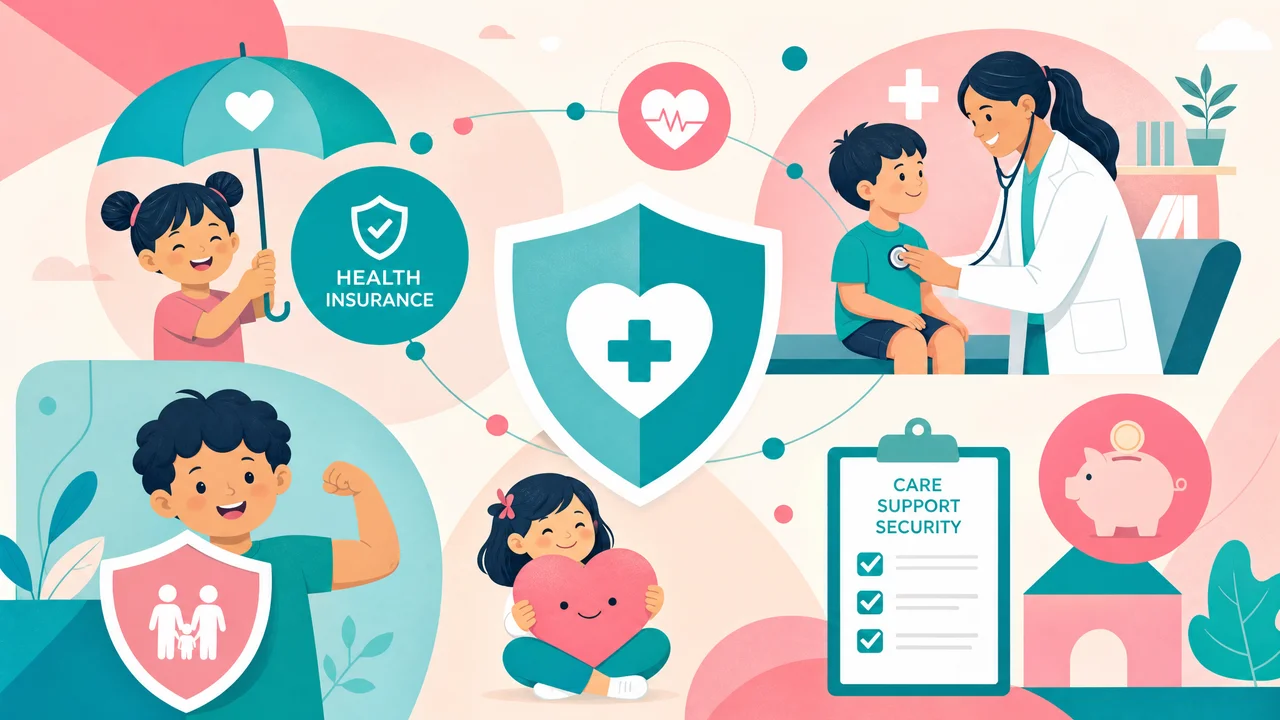
What CHIP Covers for Children and Teenagers
CHIP provides comprehensive coverage for children in families earning too much for Medicaid but not enough for private insurance. Coverage includes checkups, immunizations, doctor visits, prescriptions, dental, vision, hospital care, and emergency services.
Anúncios
Mental health services including therapy and counseling are also covered. Some states extend CHIP to pregnant women providing prenatal, delivery, and postpartum care.
What Are the Income Limits for Eligibility
Most states cover children in families earning up to 200 percent of poverty with many setting limits at 300 or even 400 percent. A family of four might qualify with income up to $62,000 or even $124,000 in the most generous states.
Anúncios
Check your specific state's limits through insurekidsnow.gov. Limits vary significantly by state making it important to verify thresholds for your location.
How to Determine If Your Child Qualifies
Children must be under 19, state residents, citizens or legal residents, and not currently covered by a group health plan. They must also not be eligible for Medicaid to receive CHIP benefits.
Applications automatically check Medicaid eligibility first since it provides more comprehensive coverage. If not Medicaid-eligible but within CHIP limits, enrollment proceeds through your state's CHIP program.
How Does the Application Process Work
Apply online through your state health insurance marketplace, by calling 1-877-KIDS-NOW, or by paper application. The process takes less than 30 minutes and enrollment is open year-round.
- Visit insurekidsnow.gov or your state's health insurance portal
- Complete the application with household and income information
- Submit income documentation if requested by your state
- Receive eligibility determination typically within two to four weeks
- Select a health plan if your state offers multiple CHIP options
What Does CHIP Cost for Families
CHIP charges minimal or no premiums compared to private insurance. Many states charge nothing for lowest-income families with sliding premiums up to approximately $50 monthly for those at higher incomes.
Copayments for visits, prescriptions, and hospital services are capped low. Federal law prohibits cost-sharing exceeding 5 percent of family income ensuring affordability.
How Does CHIP Dental Coverage Work
Dental benefits include preventive cleanings, fluoride treatments, fillings, crowns, root canals, orthodontics in many states, and emergency dental care. Copayments are minimal to nonexistent.
Most states contract with dental networks though some allow any dentist accepting CHIP rates. Regular dental visits are crucial during childhood development.
What Vision Benefits Does CHIP Include
Vision coverage includes annual eye exams, prescription eyeglasses, and medically necessary contact lenses. Some states cover additional vision services including treatment for eye diseases.
Regular screenings catch refractive errors and conditions early which is critical for academic success and healthy development during childhood.
When Can You Enroll Your Child
Unlike marketplace plans, CHIP enrollment is open year-round. Apply whenever your child needs coverage. Benefits begin as soon as eligibility is confirmed with no restricted enrollment periods.
Coverage typically starts on the application date or the first of the following month. Some states impose a 90-day waiting period for children who recently had other coverage.
What Happens When Your Child Turns 19
Children lose CHIP eligibility at 19 and must transition to other coverage. Options include Medicaid if income qualifies, marketplace plans with premium subsidies, or employer coverage.
Plan the transition in advance to prevent coverage gaps. Marketplace Special Enrollment Periods allow enrollment due to CHIP loss.
How to Maintain Continuous Coverage
CHIP requires annual renewal with many states using automated verification. If electronic renewal cannot confirm eligibility you receive a packet requiring updated information.
Missing renewal deadlines terminates coverage even if your child still qualifies. Set reminders and respond promptly to all correspondence from your state CHIP agency.
How Does CHIP Work With School Health Services
Many schools partner with CHIP to operate school-based health centers providing primary care, mental health, dental, and vision on school grounds. CHIP-enrolled children use these as their regular care source.
This eliminates transportation barriers and minimizes missed class time while ensuring consistent preventive and acute care throughout the school year.